
Of all the large, heavy kit that comes with warehouse racking and install, the Racking Safety Pin, or locking pin, beam lock or beams connector lock as they’re sometimes known, is one of, if not THE most important parts you need.
What is a Racking Safety Pin?
Small but mighty, the racking pin is just that – a pin that safely holds the beam in place and greatly reduces the risk of the beam becoming dislodged from the upright. Generally manufactured from steel, the pins are inserted into the beam and through the beam and the upright’s front face. Each beam should have two pins to be functional (one per connector).
What are Racking Safety Pins for?
In essence, a locking pins sole responsibility is to prevent the beam from being dislodged from the front face of the upright. This happens when the underside of the beam is knocked or hit in an upward motion and should a pin not be in place then this would lift the beam out of its position as well as any items sat on the beam level therefore creating a huge risk for operators below. They are an absolutely vital safety feature in a racking system. Racking can stay together with pins missing, but in doing so, the risk for racking collapse and falling pallets increases significantly.
When inserted correctly and not damaged, the pins hold the beams in place where they could become nudged or dislodged accidentally by a forklift, for example, ensuring the integrity of the racking and pallets.
Racking Safety Pins are also designed to snap when put under a certain amount of pressure to conduct a safer and more controlled collapse or fall of pallets and racking in place of a full-scale incident. By shearing off at a particular rate of pressure – typically 0.5-1.00 tonne – the beam in question can dislodge itself and contain the damage in that area. If the beam does not dislodge, the damage could affect the entire upright and all the beams in the structure, potentially causing a whole racking collapse. This scenario is dangerous for workers, significantly impacts warehouse productivity, and will make a big dent in your profits when you’re replacing damaged goods.
How do you use racking pins?
They don’t look like much – a simple design and so easy to use. As mentioned, two pins are required per beam, inserted in the front face of the upright in the spaces provided. And that really is it.
What you should note is they are manufacturer specific. Racking and pins are designed to work together, and so you will notice that pin design is not a one size fits all. Your racking, such as those installed by Nene, will have specific safety features and pins to match. Doing this ensures complete unity in the racking’s functionality. Using off the shelf, non-manufacturer agreed parts on any of your racking are not advised by SEMA or Nene, as they cannot guarantee your racking performance.
Can Racking Safety Pins Fail A SEMA Inspection?
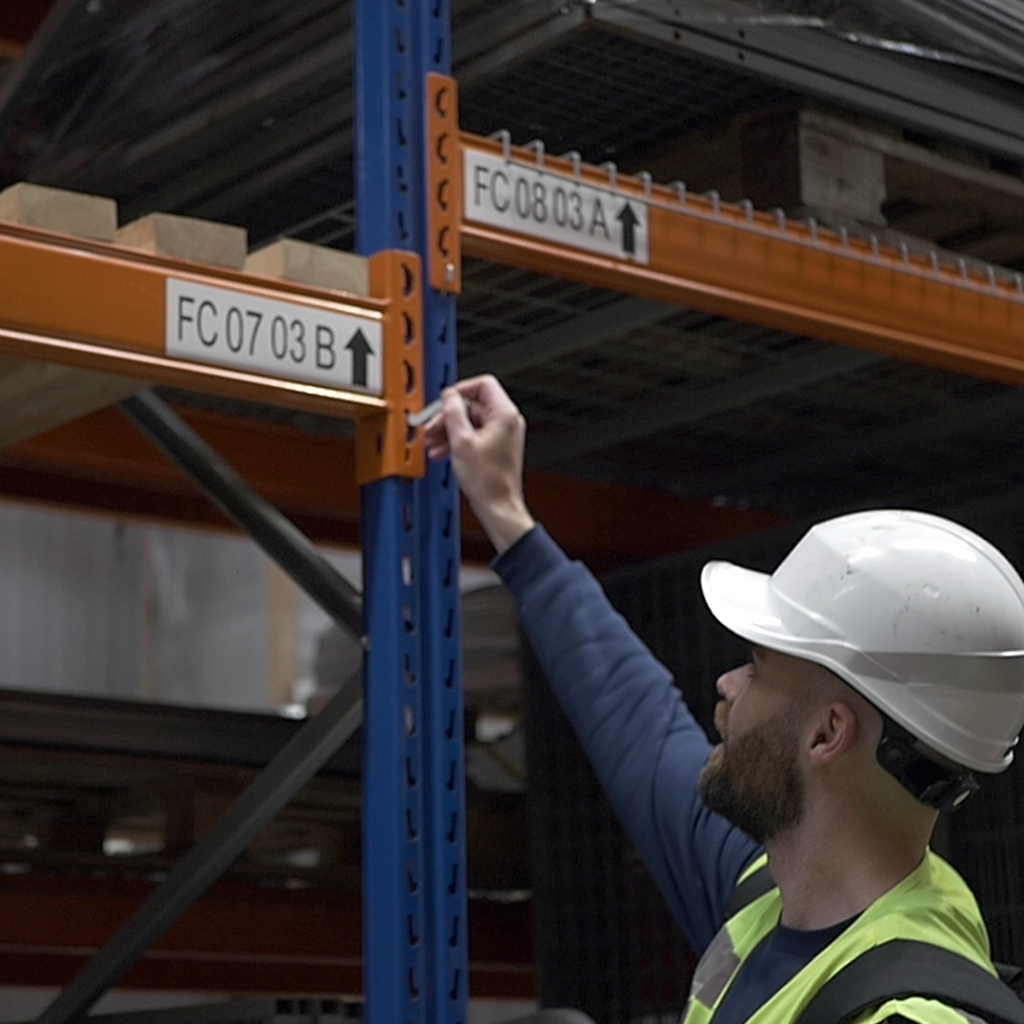
SEMA has a Code of Practice, which is available to storage facility owners, in which they advise on the necessity of the pins and how they affect an inspection. An inspector will look for damaged and missing pins as part of the comprehensive safety check, and using a traffic light system, the damaged pins or lack of pins will trigger an Amber response on your report. The Amber will be flagged for correction to keep your employees safe and prevent any falls or collapses.
The smallest part in the kit plays arguably one of the biggest parts in the stability of your racking. Be sure to make regular checks on your racking system, utilise maintenance services such as Nene Racking Maintenance to rectify any issues before you get to inspection and most importantly, to prevent any incidents. If you have any concerns over your current racking installation, contact Nene Warehouse Solutions for market leading advise and services.
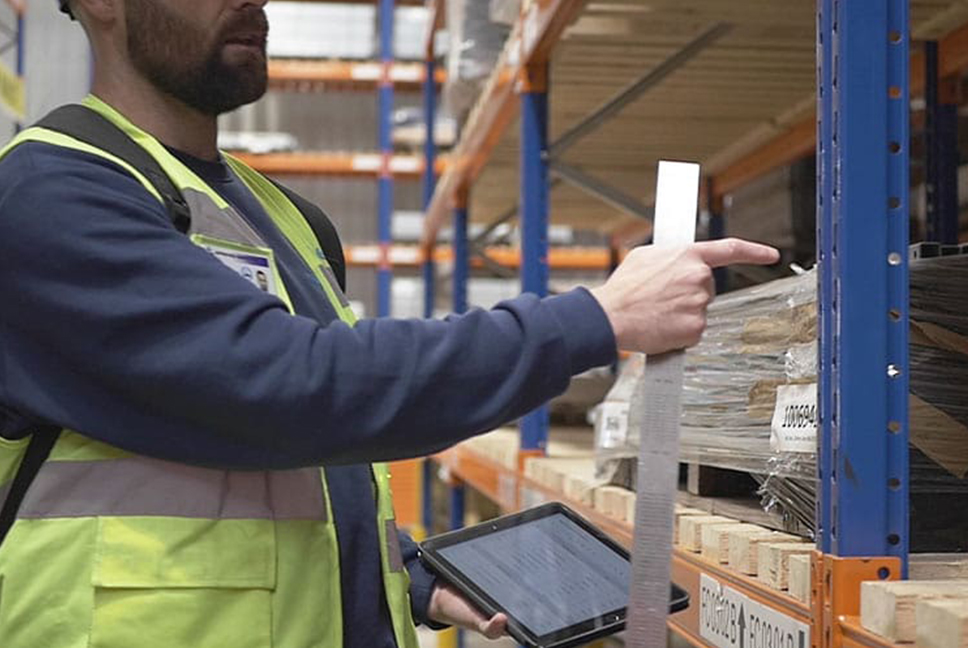
Here at Nene, our team of SEMA Approved Racking Inspectors use the latest legislation to make sure our clients’ pallet racking is safe, secure and has a full audit trail. Pallet racking is categorised as ‘work equipment’, subject to being compliant at all times under the current workplace Health and Safety legislation. Our trained team follow a checklist process to ensure our clients have a safe working environment and this article covers our customers’ frequently asked questions.
The Risk Assessment
By working alongside a PRRS (Person Responsible for Racking Safety), our trained inspectors review the following:
- Rack safe working loads
- Damaged racking identification
- Racking identification and categorisation (location, component reference, warehouse area)
- Best practice warehouse layouts and racking observations
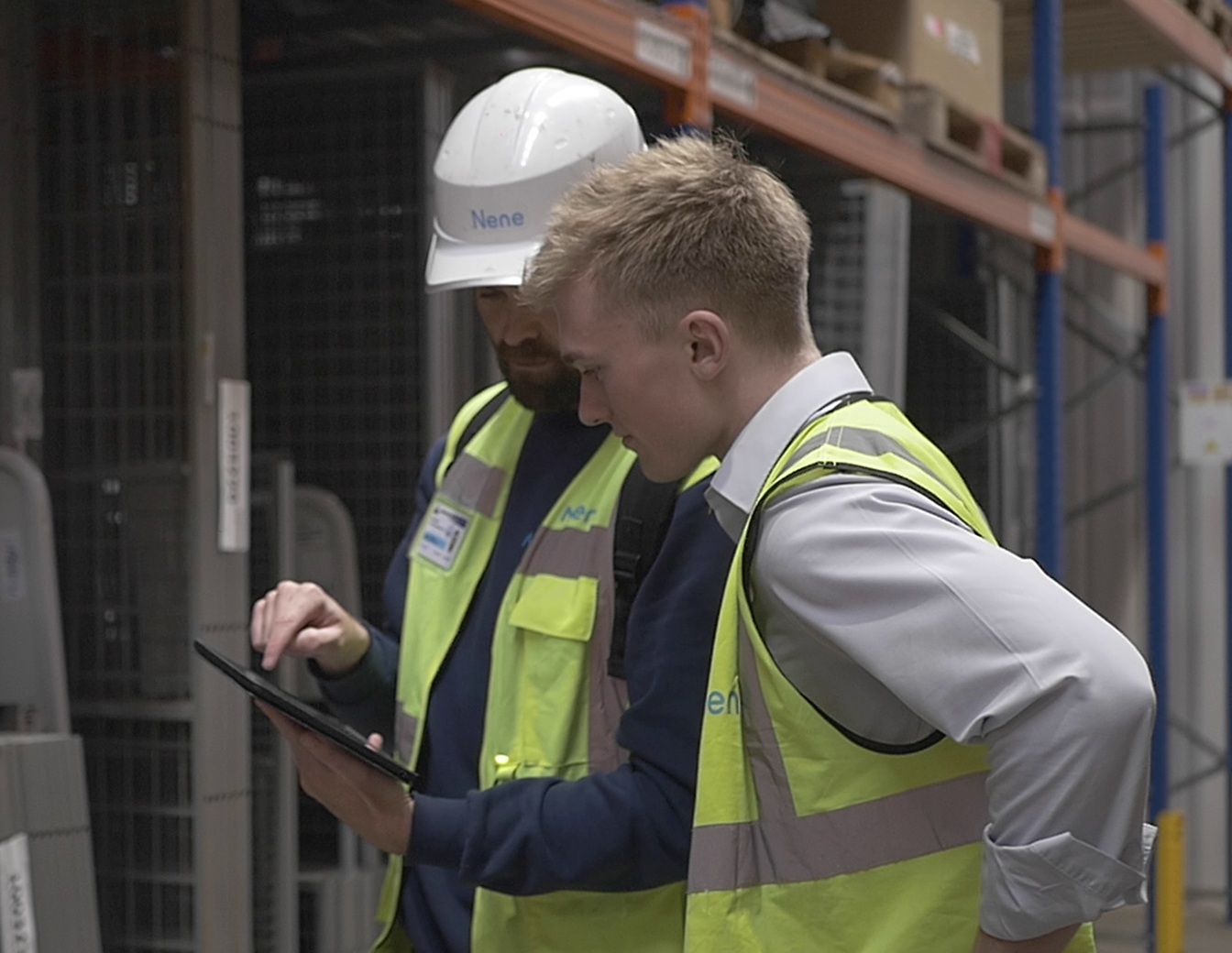
Racking damage is not always obvious. HSE recommends SEMA Approved Racking Inspectors (SARIs) to carry out the racking inspections. This inspection is followed by an easy to understand report detailing the current health of your complete racking system. It’s a traffic light risk assessment highlighting current issues with timeframes to get those issues resolved. The levels of risk are:
RED – There is critical damage and immediate action is required.
AMBER – There is some risk and action should be taken as soon as possible.
GREEN – No damage or risk, no action is required but to monitor.
What Is Inspected?
Racking inspections need to be carried out on an annual basis to SEMA guidelines. If you have a large site, more frequent inspections are likely to be recommended and conducted.
Failure to regularly inspect and properly maintain your racking can result in fines for non-compliance, injuries in the workplace, potential logistic downtime and more expensive repairs. In some cases, replacement racking can be avoided if the site is visually inspected on a regular basis.
An inspector would pay particular attention to the following:

Upright Post
Upright posts have holes where load beams can be mounted.

Base Plate
Steel base plates have holes that anchor the upright post to the ground.
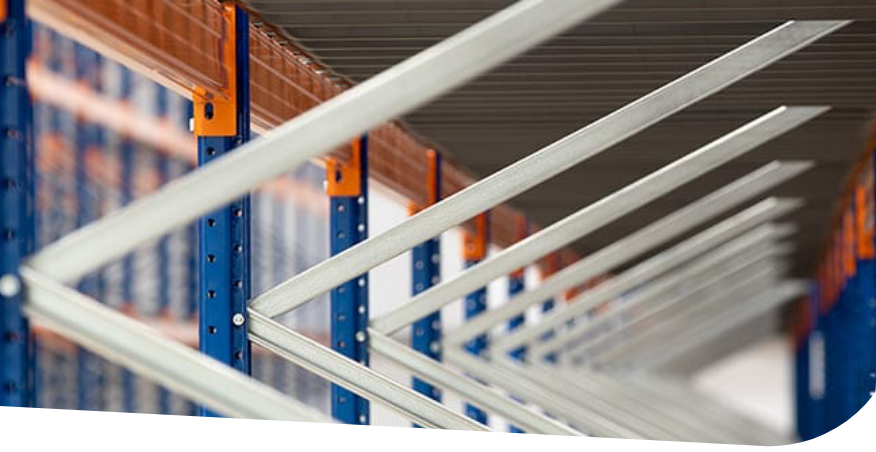
Frame Bracing
Frame bracing is used to attach the upright posts together to improve racking stability.
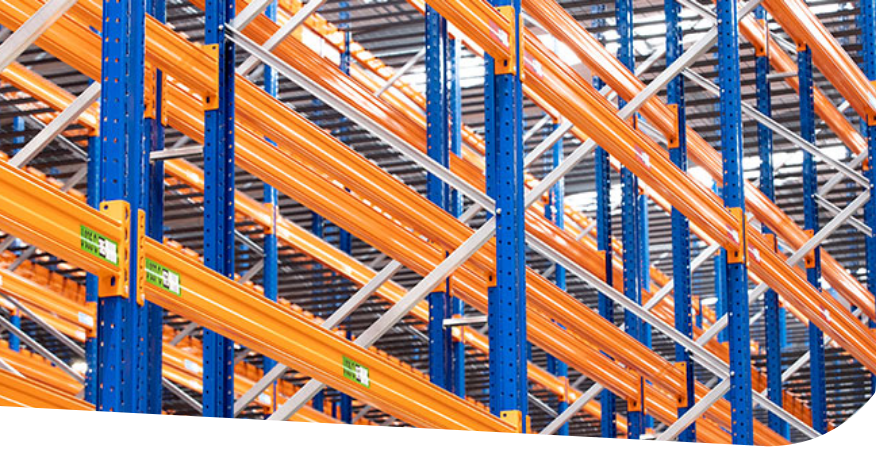
Beams
Load beams are used to hold any load support components, such as mesh decks.

Beam Safety Locks
Safety locks are used to lock in and secure the beams to the upright posts.

Fixings
Ensuring the right fixings and correct quantities are paramount to the overall construction.
What’s Included In An Inspection Checklist?
With any racking damage that has been highlighted as a potential risk, the inspector will review the following:
- Is the racking loose?
- Is the racking dented?
- Is the racking twisted?
- Is a component missing?
- Is a component rusting?
A rack inspection checklist must include the location, component reference, a specific component area, and a traffic-light severity warning with recommend time frames for a repair to take place.
If you do see any of these potential issues, offload the racking immediately and contact us for more information.
A checklist is great, but digital auditing software is the future.
An inspection checklist can be used for frequent inspections by your PRRS. However, we recommend a racking auditing system to log your sites information. Nene are able to offer an innovative, first-to-market solution for racking inspections.
At Nene, our cloud-based racking inspections platform works for warehouse supervisors across multiple locations, 24 hours a day, on any mobile device, without the need for paper-based audit trails.
If you’d like to find out how were changing racking inspections, please contact us on 01327 300456.

In a competitive industry, an efficient warehouse is essential to support the smooth running of any business concerned with logistics.
Choosing the correct racking system for your business can improve time management, cost effectiveness and most importantly customer satisfaction. Not only is it important to have the correct storage system, it’s crutial to ensure that the layout is faultless and allows your operation to run at maximum capacity. Adjustable Pallet, Vertical Storage, Long Span and Cantilever systems are available in addition to customised systems to enable businesses to obtain maximum warehouse efficiency.
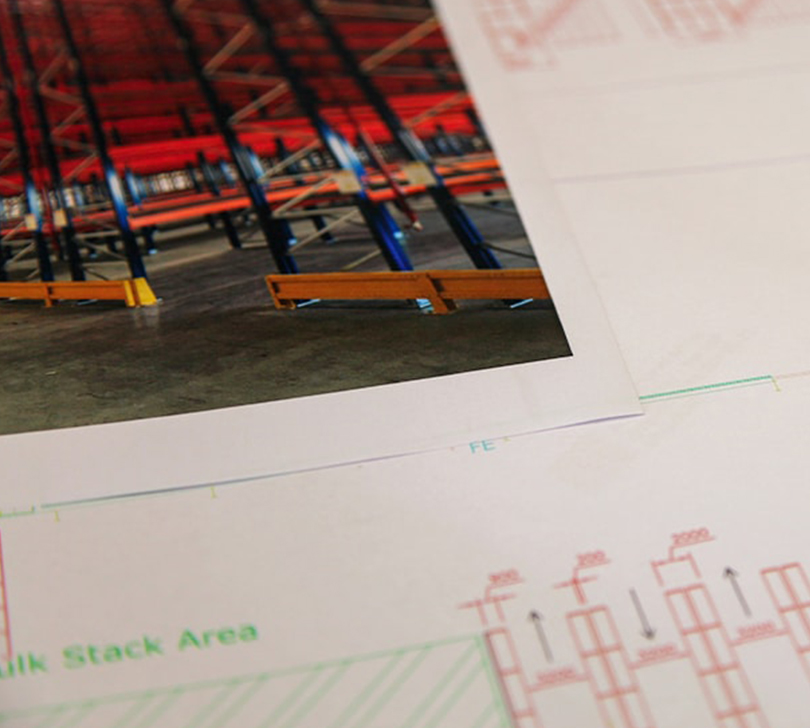
Warehouse Design and Layout
Products don’t come in regular sized packaging, so an efficient warehouse will use its available space to the best advantage, thus enabling safe storage for goods of different sizes and weights. An efficient floor plan, designated routes and appropriate racking are additional factors which enhance warehouse efficiency. A good warehouse design will provide staff with access to goods safely and quickly, and by doing so, it will help to improve time management and cost effectiveness. Customers often require their orders quickly; by being able to process goods efficiently and reduce turn around time will further enhance customer satisfaction.
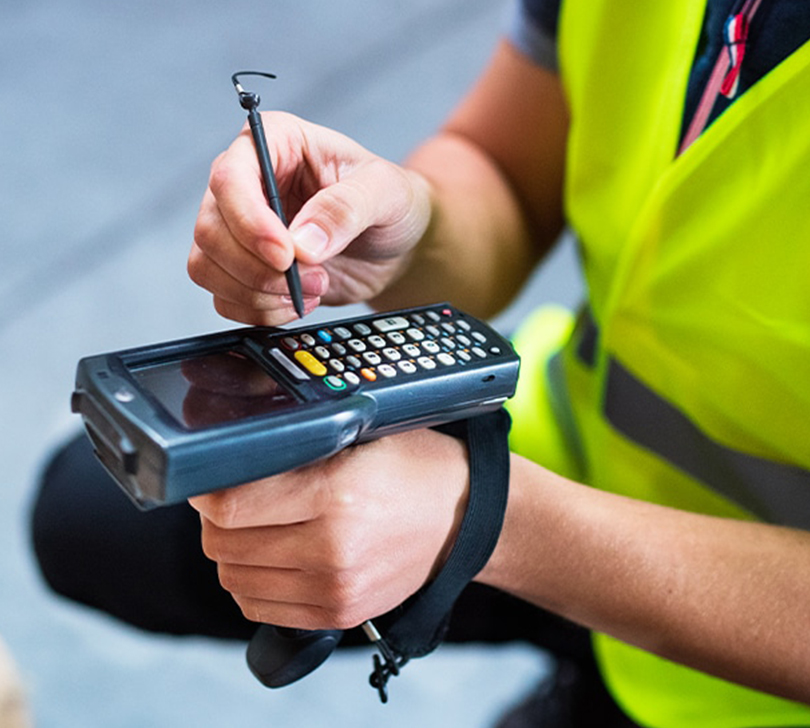
Stock Management
Having a system that enables clear visibility of stock levels versus outgoing orders ensures that optimum quantities of stock are readily available to meet the demands of customers. It prevents wastage; overstocking and enables clear data regarding stock flow; all of which contribute to improving cost effectiveness, time management and customer satisfaction.
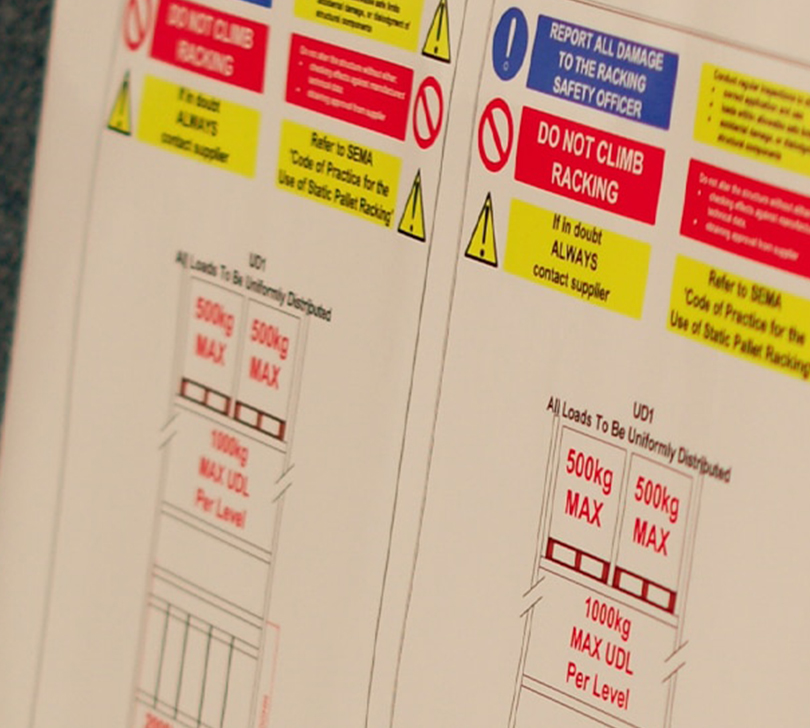
Health and Safety
Under current Health and Safety regulations, inspections of storage and racking systems are a legal requirement. In addition to supplying storage solutions to suit your business needs, Nene Warehouse Solutions offer fully qualified SEMA approved racking inspections. A recommended annual inspection will ensure the continuing efficiency of your warehouse.
Training
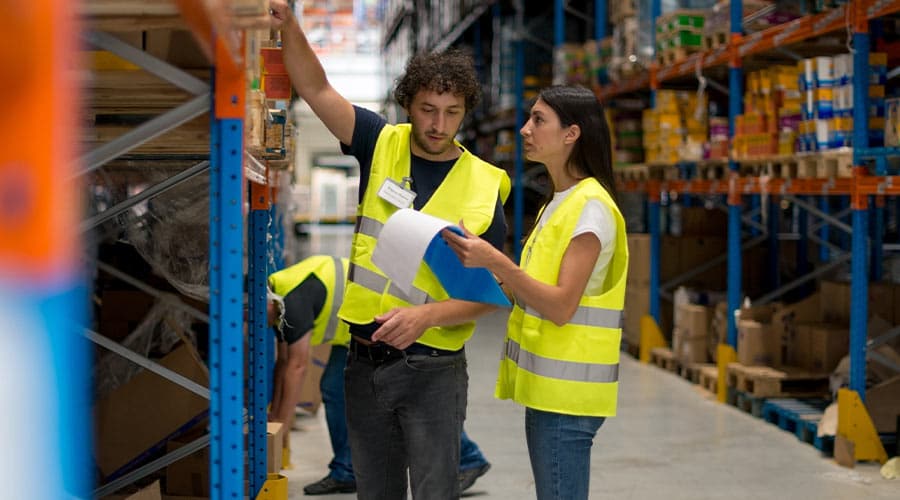
Ensuring that warehouse managers are fully trained and understand the key factors for an efficient warehouse operation is essential. Ongoing training and routine reviews help to resolve any issues that arise with quick action in a professional and efficient manner, helping to avoid warehouse accidents and increase productivity. Informing your team with the latest safety procedures, technology and processes can significantly improve your operational efficiency.
Having an efficient warehouse is good for business. It can save money by being cost effective, save time by making the best use of racking systems and floor space as well as keeping customers satisfied by providing a reliable first-class service.