Warehouse Racking Collapse And How To Prevent It
Updated: 13 November 2026
Download Our Racking Inspections Brochure
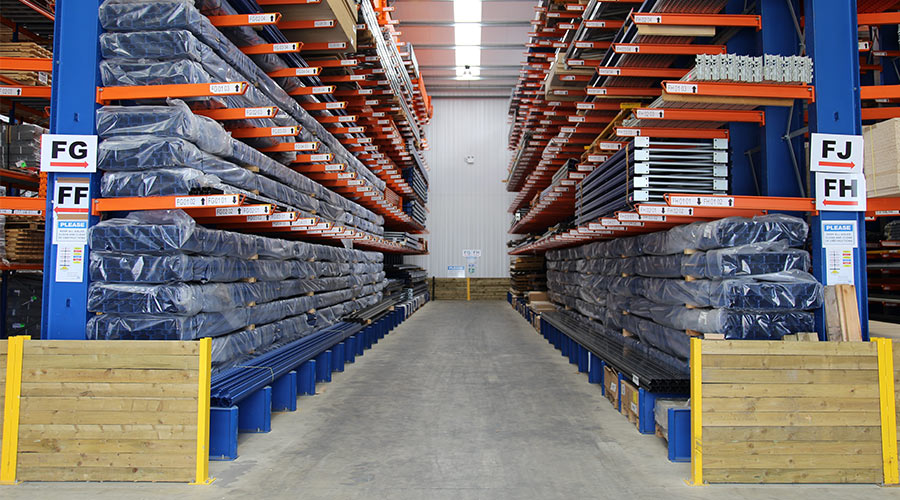
A warehouse racking collapse can put people at risk, damage stock and interrupt your operation.
The consequences reach well beyond replacing a few components, which is why racking safety needs attention throughout the life of your storage system.
Good design, suitable equipment and careful day-to-day use all play a part. Knowing what can weaken your racking, how to spot warning signs and when to seek expert help gives your team a clearer route to preventing avoidable failures.
What Causes Warehouse Racking Collapse?
Racking failures can involve several factors working together. A layout that no longer suits the operation, repeated vehicle impacts or damage left unresolved can create risks that become harder to manage over time.
Common contributing factors include:
- Poor design or changes to the racking configuration without technical assessment.
- Forklift impacts and handling practices that damage uprights, beams or bracing.
- Loads that exceed the limits of the installed system.
- Missing components, corrosion or wear that is not identified and addressed.
- Congested aisles and poor housekeeping that make safe movement more difficult.
Seasonal peaks and changes in stock can also place new demands on a warehouse. Review the layout and storage specification when those demands change, rather than assuming the existing system will suit every situation.
Warning Signs Your Racking Needs Attention
Damage is not always dramatic. Your team should know how to recognise and report changes in the condition of the racking, including:
- Bent or twisted uprights and damaged bracing.
- Beams that appear displaced or unusually deflected.
- Missing or damaged beam locks.
- Loose fixings, damaged base plates or visible corrosion.
- Repeated impact marks in the same part of the warehouse.
These signs need assessment; appearance alone cannot establish whether a rack is safe to use. Make reporting straightforward so concerns reach the person responsible for racking safety promptly.
Recognise the Signs of Pallet Racking Damage
Take a closer look at common signs of damage, the risks they can create and the next steps to consider.
Read The Blog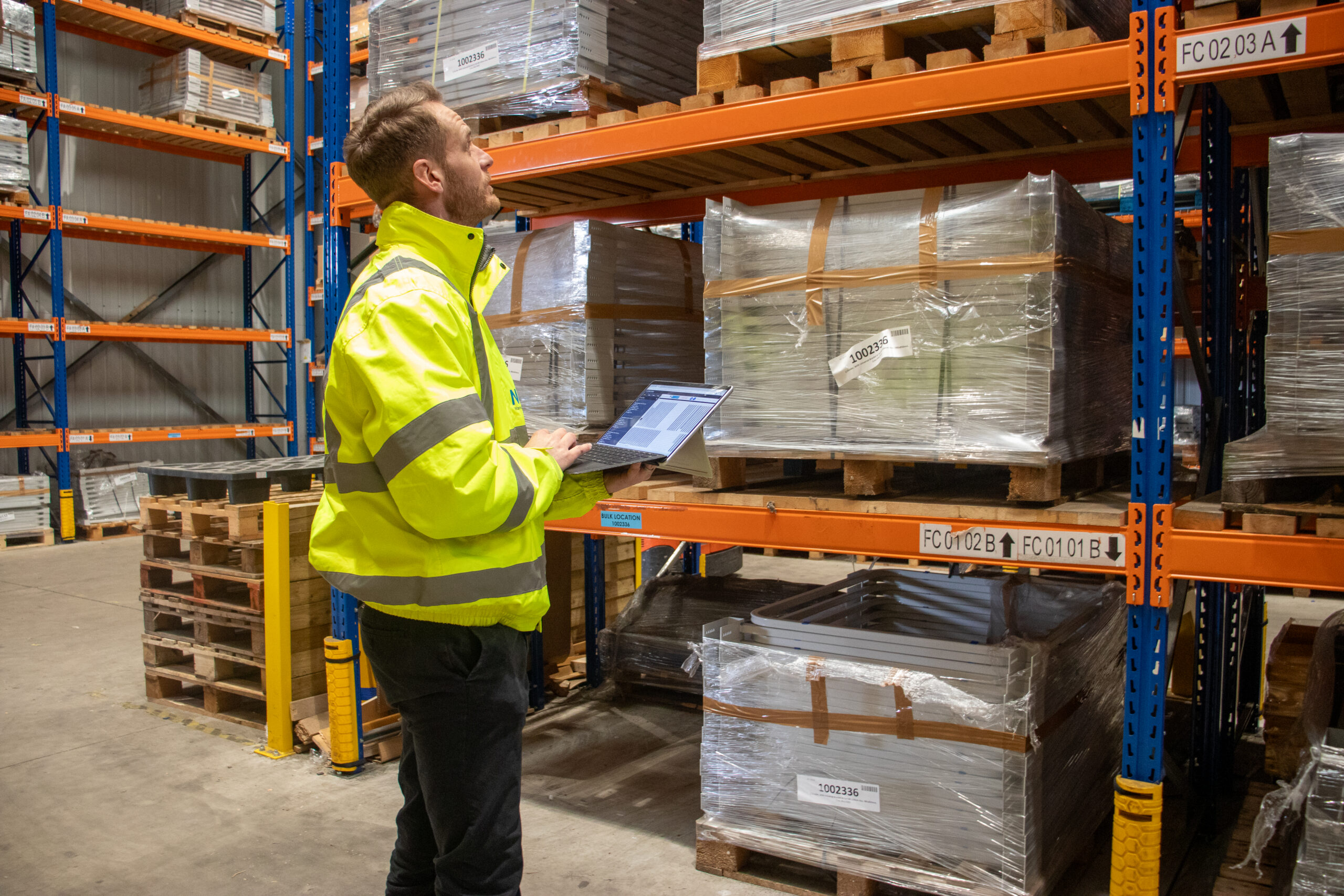
How to Prevent Racking Collapse
Start with the Right Design and Installation
Your storage system should suit the goods you hold, the equipment you use and the way people move around the building. A considered warehouse design helps bring those requirements together before installation begins.
Use competent installers who follow the system manufacturer’s instructions. Professional racking installation provides the foundation for a system that can be used and maintained as intended.
Work Within the Specified Loading Limits
Keep load notices visible and make sure staff understand the limits and loading configuration of the installed system. Do not add beam levels, move components or introduce heavier stock without checking the effect on capacity with the supplier or designer.
Support Safe Handling and Clear Traffic Routes
Give forklift operators appropriate training and keep vehicle routes, picking areas and pedestrian access clear. If the warehouse becomes busier, review the workflow and aisle arrangements rather than relying on staff to work around growing congestion.
Protect Vulnerable Areas
Suitable racking protection can help reduce the risk of impact damage in exposed areas. Guards and barriers support safer operation, but they do not replace sound design, safe handling or regular checks.
Keep Racking Inspection Records Organised
Give your team a clearer way to record inspection findings and follow up the issues that need attention.
Explore Inspection Software
What Should You Do If You Suspect Damage?
Report the concern immediately and follow your site’s racking damage procedure. Where safety is in doubt, prevent access to the affected area and seek assessment by a competent person.
Do not attempt an improvised repair or straighten a damaged component. Where unloading is necessary, it should be planned and carried out safely following competent advice; sending someone into an unstable area can introduce further danger.
Record the location, affected component and action taken so the issue can be followed through to a clear resolution.
How Often Should Racking Be Inspected?
HSE guidance recommends visual checks at weekly or other regular intervals determined by risk assessment, alongside an expert inspection by a technically competent person at intervals of no more than 12 months.
Keep written records and act on the findings. Professional racking inspections complement your internal checks; they do not replace day-to-day reporting when damage occurs.
When Are Repairs or Layout Changes Needed?
An inspection can help establish what action is appropriate for damaged components. Pallet racking repairs should be planned around the system and the assessed damage, rather than treated as a quick fix.
If impact damage keeps recurring, consider the wider cause. A tight turning point, unsuitable handling equipment or a changing stock profile may need attention alongside the repair. Reviewing the layout can help address the conditions behind repeated problems.
Make Racking Safety Part of Everyday Operations
Preventing warehouse racking collapse depends on a consistent approach: choose a suitable system, use it within its limits, report damage and follow through on inspection findings.
If you have concerns about your current racking or need support planning your next step, speak to Nene about your inspection, repair or installation requirements.